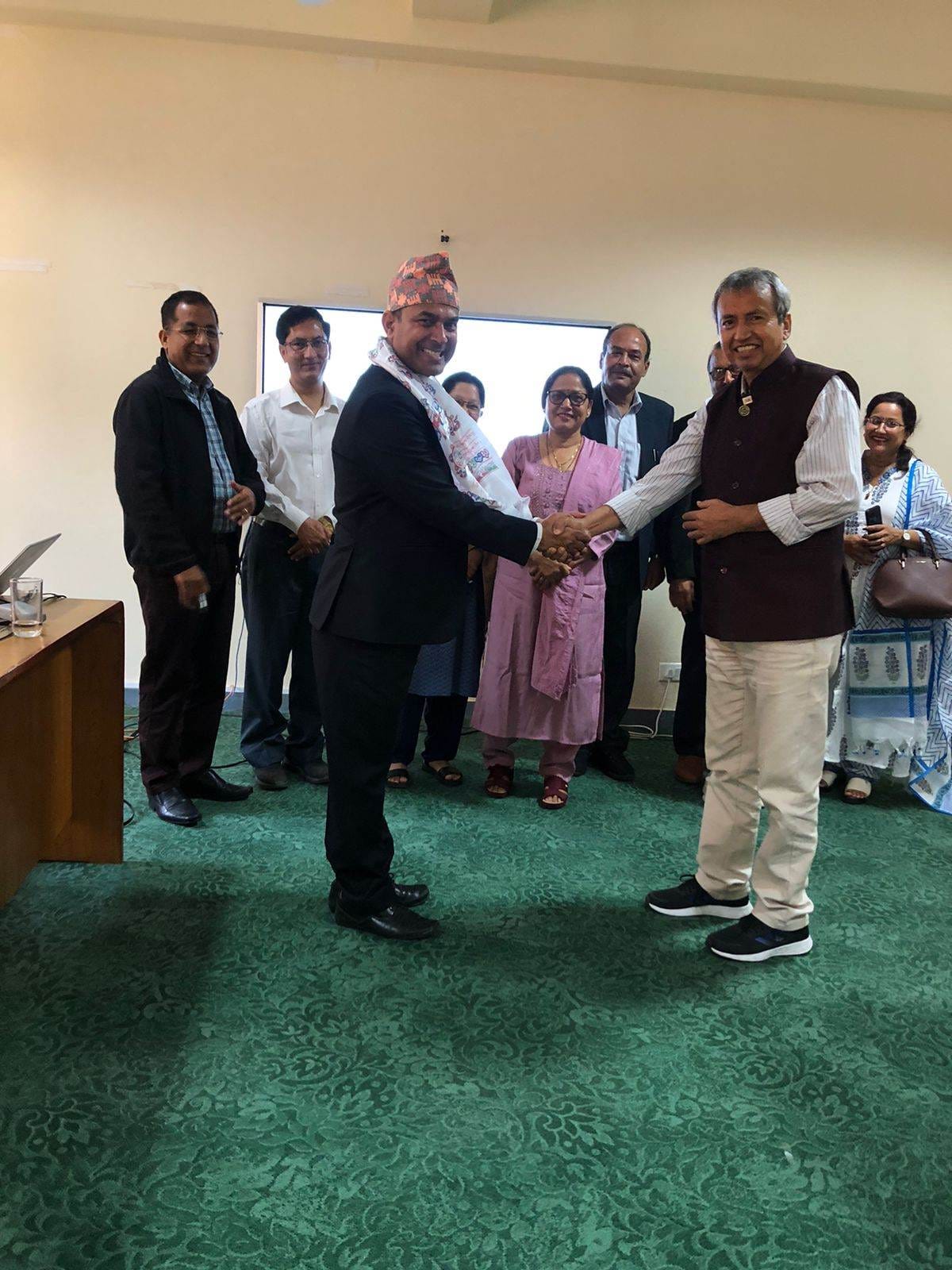
When I embarked on my PhD journey, I was driven by a deep-seated desire to understand the intricacies of flood resilience, particularly in the context of rural communities in Nepal. The Narayani river basin, with its history of devastating floods, served as a compelling backdrop for my research.
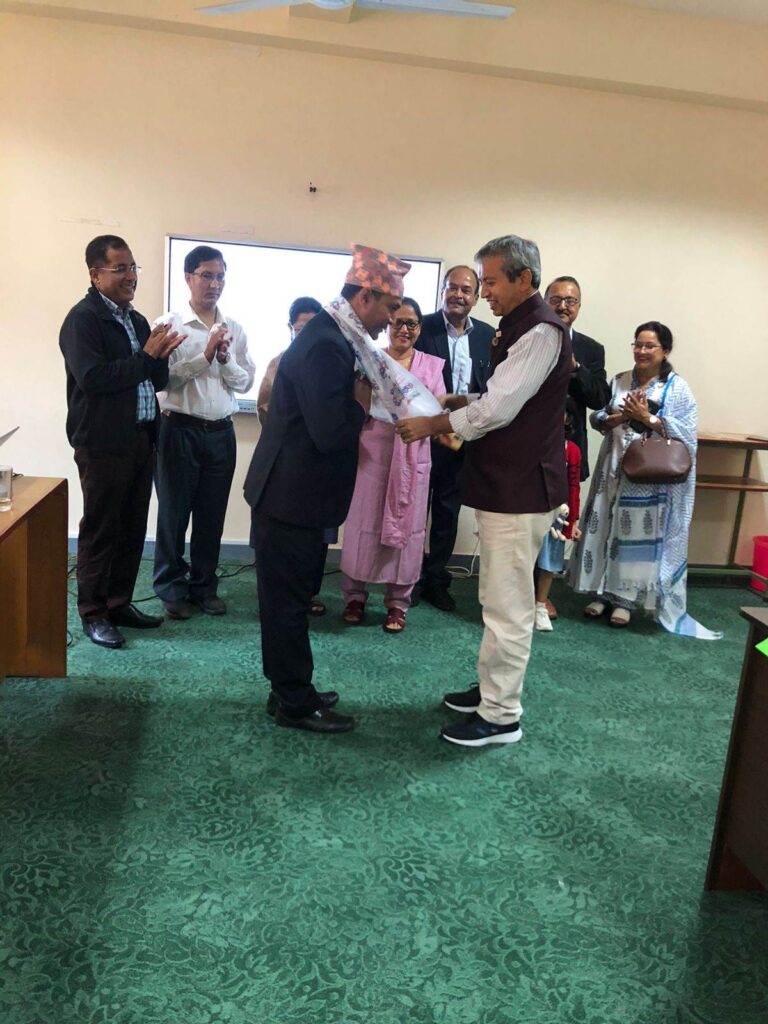
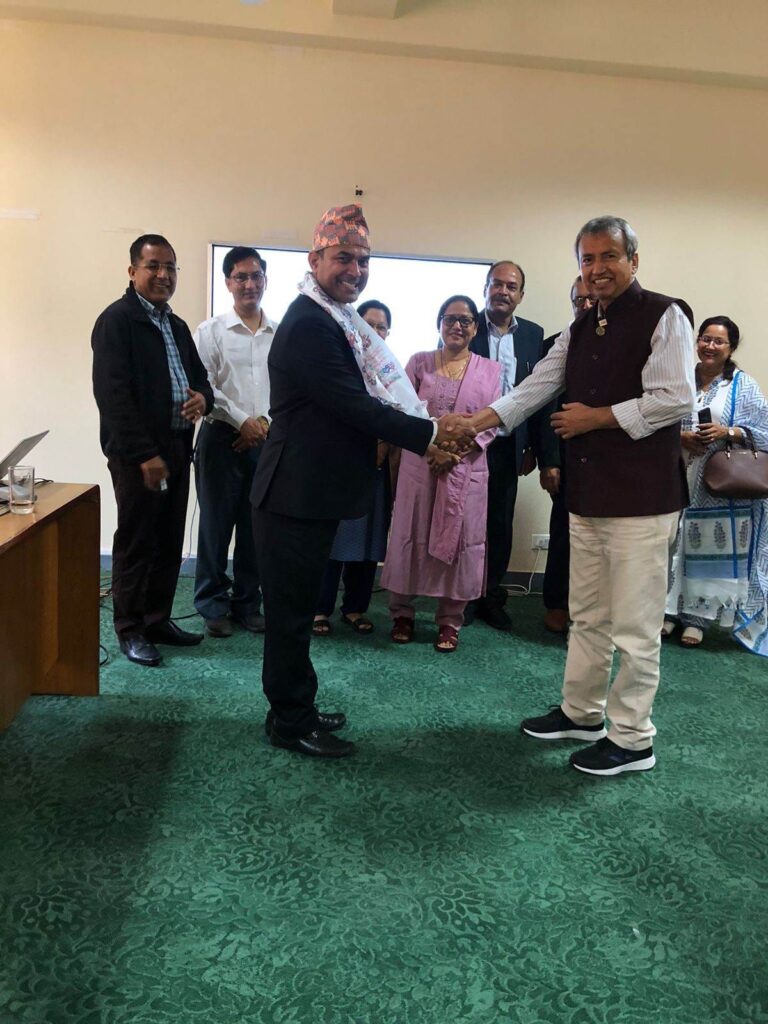
My doctoral research, titled “Measuring flood resilience in development practices: analysis of community actions in Narayani river basin Nepal,” aimed to identify factors associated with flood resilience, document rural strategies and actions, and provide a recommendation-based review of existing disaster risk reduction plans and policies.
The path to completing my PhD was far from easy. It required unwavering dedication, a willingness to embrace challenges, and the unwavering support of mentors, colleagues, and loved ones. I am immensely grateful to my major supervisor, Professor Durga Devkota, for her invaluable guidance and encouragement throughout my journey. Her constant support and insightful feedback were instrumental in shaping my research and helping me overcome numerous hurdles.

The research process involved conducting field studies in two communities within the Susta Rural Municipalities of Nawalparasi-Bardghat (Susta) west district. Utilizing the Sustainable Livelihoods Framework (SLF) as the technical conceptual framework, I employed a mixed-methods research design for data collection, analysis, and presentation.
The findings of my research revealed a complex interplay of factors contributing to flood resilience, including livelihoods capitals, resilience properties, resilience themes, the Disaster Risk Reduction (DRR) cycle, and resilience sources. Interestingly, the research showed that lower index scores coincided with a higher impact of flood in Kudiya than Paklihawa sites, highlighting the importance of context-specific resilience measures.
The research also underscored the critical role of community actions and rural strategies in enhancing flood resilience. To be truly flood-resilient, communities must demonstrate the ability to protect, self-organize, prepare, mitigate, respond, and recover from the adverse impact of flooding. This necessitates adaptive social behaviors, strong social capital, timely dissemination of early warnings, and effective implementation of DRR plans and policies at the community level.
Completing my PhD has been a transformative experience, not only in terms of academic achievement but also in personal growth. I have gained a deeper understanding of the challenges faced by rural communities in Nepal and the importance of empowering them to build resilience against natural disasters.
This is dummy copy. It is not meant to be read. Accordingly, it is difficult to figure out when to end it. If this were real copy, it would have ended long ago, because‚ as we all know‚ no one reads body copy, and even fewer read body copy this long. But then, this is dummy copy. It is not meant to be read. Period.